
Root Canal Treatment in Thornhill
Root canal treatment has a reputation that it does not deserve. Most patients who have experienced a modern root canal procedure describe it as no more uncomfortable than having a filling placed. What does deserve its reputation is the pain of an untreated tooth infection, and root canal treatment is the solution that ends it.
At Noble Dental Clinic in Thornhill, we perform root canal treatment with precision, care, and a focus on making the experience as comfortable as possible.
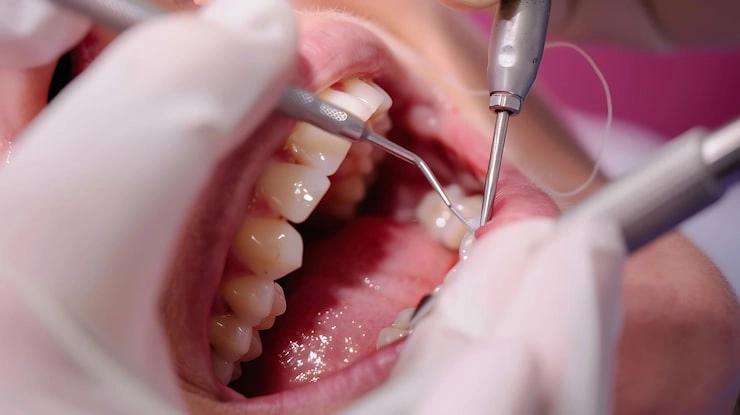
When Is a Root Canal Needed?
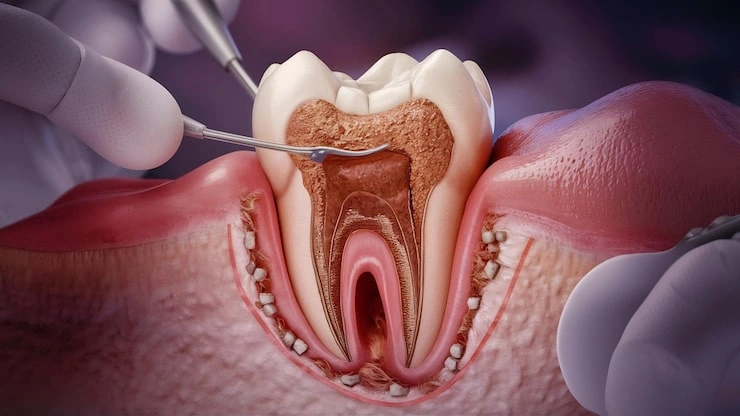
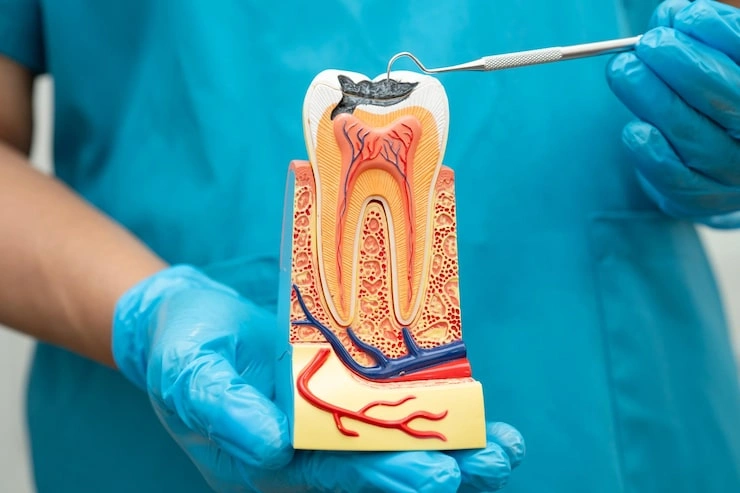
Inside every tooth is a chamber containing the pulp, a soft tissue made up of nerves, blood vessels, and connective tissue. When decay progresses deep enough, or when a tooth is cracked or traumatized, bacteria can reach the pulp and cause infection. Left untreated, this infection can spread to the surrounding bone, cause a painful abscess, and ultimately lead to tooth loss.
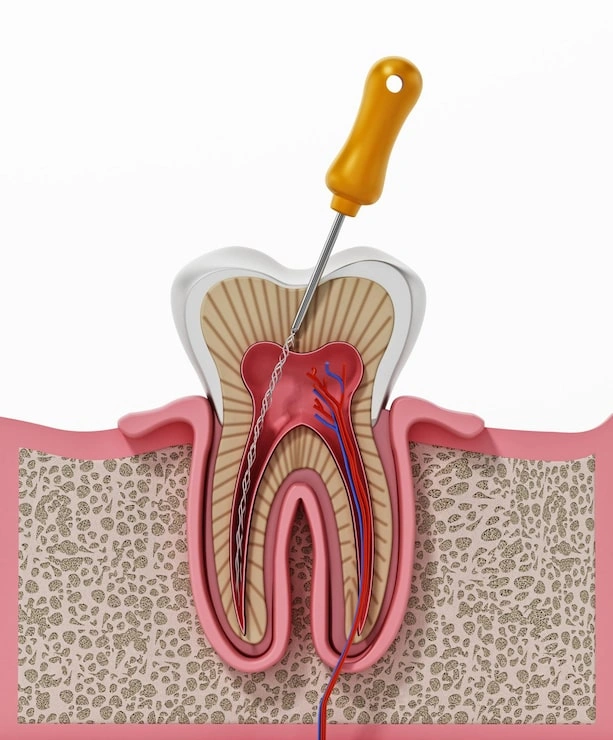
A root canal removes the infected or inflamed pulp, cleans and disinfects the internal canals of the tooth, and seals everything to prevent reinfection. This saves the tooth, eliminates the source of the pain, and stops the spread of infection.
Signs You May Need a Root Canal
Severe or lingering toothache. Sensitivity to heat or cold that does not go away when the stimulus is removed. Pain when biting or applying pressure. Swelling or tenderness in the gum near a tooth. A pimple-like bump on the gum. Tooth discolouration.
Not all of these symptoms are always present, and some patients experience little to no pain before the infection is identified during a dental exam. This is another reason why regular checkups matter.
What to Expect
The area is fully numbed before any treatment begins. The infected pulp is removed through a small opening in the top of the tooth, the canals are shaped and cleaned, and the tooth is sealed with a biocompatible filling material. In most cases, a crown is placed over the treated tooth afterward to restore its full strength and protect it from fracture.
After Treatment
The tooth may feel sensitive for a few days as the surrounding tissue heals. This is normal and manageable with over-the-counter medication. Most patients return to their normal routine the following day.
Why Thornhill Patients Trust Noble Dental Clinic
Frequently Asked Questions
Is a root canal painful?
The procedure itself is performed under local anesthetic and should not be painful. The tooth and surrounding area are fully numb throughout. Most patients are surprised by how manageable it is compared to their expectations. Any soreness after the procedure is usually mild and short-lived.
How many appointments does a root canal take?
Most straightforward root canals are completed in one or two appointments. Complex cases or teeth with multiple canals may require additional visits. We will give you a clear picture of what to expect at your assessment.
What happens if I do not get a root canal?
The infection will not resolve on its own. It will spread, causing increasing pain and damage to the surrounding bone and tissue. Eventually, the tooth will be lost entirely. An untreated dental infection can also pose broader health risks if the bacteria spread beyond the oral cavity. Treatment is always the recommended course of action.
Is a crown always needed after a root canal?
For back teeth that bear the brunt of chewing forces, a crown is almost always recommended after root canal treatment to protect the tooth from fracture. For front teeth, a crown may or may not be needed depending on the extent of the tooth structure that remains. Your dentist will advise you based on the specific tooth.