Real Relief From Jaw Pain. No Surgery Required.
Botox for TMJ in Thornhill
If you suffer from chronic jaw pain, frequent headaches, facial tension, or the long-term effects of teeth grinding and clenching, you know how much it affects your daily life. TMJ disorder, a dysfunction of the temporomandibular joint and the surrounding muscles, is one of the most common yet underdiagnosed sources of chronic facial pain. At Noble Dental Clinic in Thornhill, we offer Botox as a highly effective, non-surgical treatment option for TMJ-related pain and muscle tension.
How Botox Helps With TMJ
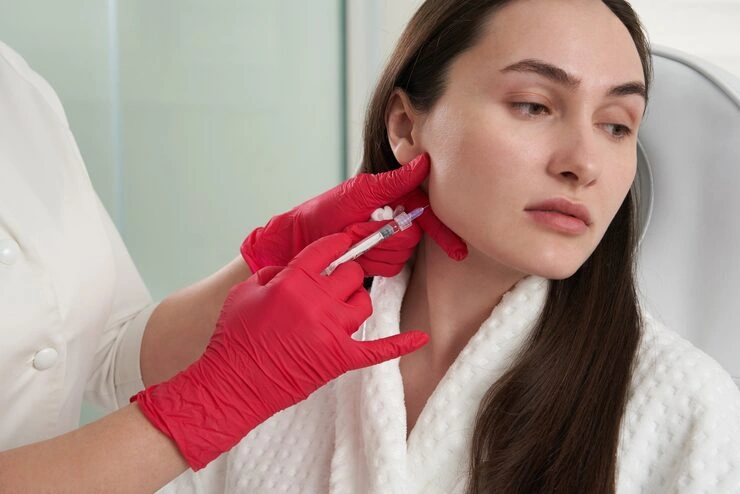
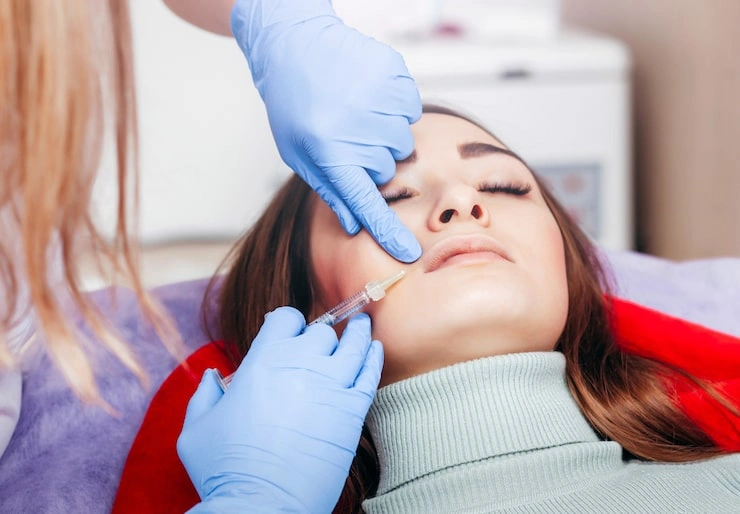
Botox, or botulinum toxin, works by temporarily relaxing the overactive muscles that contribute to TMJ pain and dysfunction. When injected into the masseter muscles, the large jaw muscles responsible for chewing and clenching, Botox reduces the intensity of muscle contractions. This significantly decreases the force placed on the joint and surrounding structures, providing meaningful relief from pain, tension, and headaches.
It also reduces the grinding forces that cause enamel wear, making it an excellent complement to a custom night guard for patients with bruxism.
What to Expect
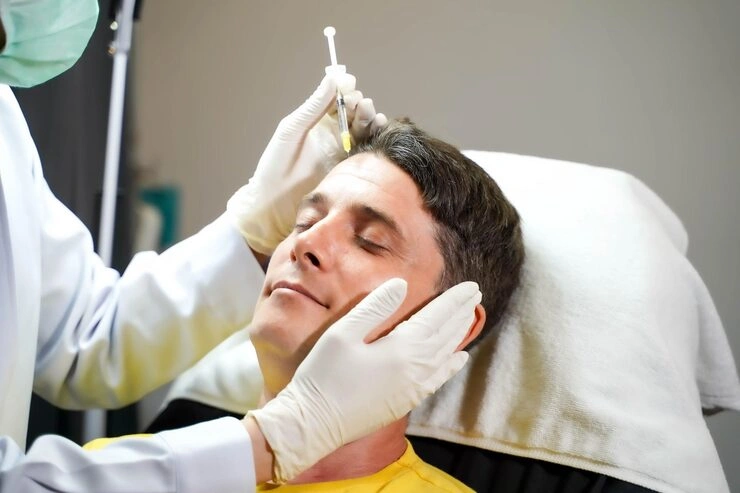
Treatment is quick, typically completed in 15 to 30 minutes, and requires no anesthetic beyond topical numbing at the injection sites. A small number of precisely targeted injections are administered into the jaw muscles. Most patients notice a significant reduction in pain and tension within a week, with full effects developing over two to four weeks. Results typically last three to four months, at which point a repeat treatment can maintain the benefits.
The procedure does not affect your ability to chew, speak, or make facial expressions. It targets the specific muscles responsible for the excessive force without impacting normal function.
More Than Just Pain Relief
Many patients who receive Botox for TMJ also notice a slimming of the lower face as the masseter muscle reduces in size with regular treatments. For patients who have always felt their lower jaw appeared overly wide or square due to overdeveloped masseter muscles, this is an additional benefit they appreciate.
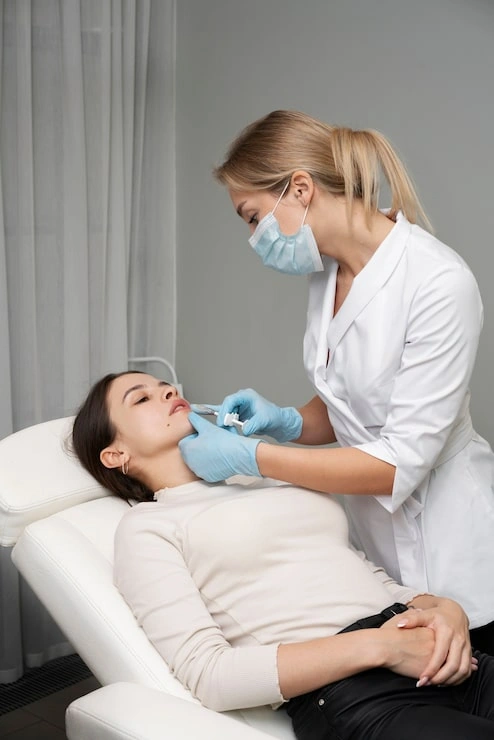
We also use Botox to treat other facial pain concerns including chronic headaches related to jaw tension and to address perioral lines and lip appearance as part of a broader facial wellness approach.
Why Thornhill Patients Trust Noble Dental Clinic
We do not rush appointments. We do not skip the conversation. When we find something, we explain it clearly, show you the evidence, and walk you through your options without pressure. Our goal is to be your long-term dental home, not just the place you go when something hurts.
Common Questions
Frequently Asked Questions
Is Botox for TMJ safe?
Yes. Botox has been used in medical and dental applications for decades and has an excellent safety profile when administered by trained professionals. We conduct a thorough assessment before treatment to confirm that you are a suitable candidate and to determine the appropriate dosage.
How quickly will I feel relief?
Most patients begin to notice improvement within five to seven days of treatment. The full effect develops over two to four weeks. For patients with significant muscle tension, the relief can be quite dramatic.
How often do I need to repeat the treatment?
Results typically last three to four months. With repeated treatments, many patients find that the muscles gradually require less medication to maintain the same level of relief. Some patients who combine Botox with a night guard and appropriate bite adjustments are able to extend the interval between treatments over time.
Will insurance cover Botox for TMJ?
Coverage varies by plan. Some extended health plans in Ontario do cover therapeutic Botox for TMJ disorder when it is administered by a qualified provider and appropriately documented. We are happy to assist you in understanding and submitting to your insurance.
Is Botox the right solution for my jaw pain?
TMJ disorder can have multiple contributing causes, and Botox is one of several treatment options. We assess your specific situation before recommending any treatment, and we may recommend a combination approach including a night guard, physiotherapy, bite adjustment, or other measures alongside or instead of Botox depending on your case.
Can Botox replace my night guard?
Botox and a night guard work differently and are often most effective when used together. A night guard protects the tooth surfaces from wear. Botox reduces the muscle force behind the grinding. Combining both provides more comprehensive protection and relief than either does alone.