
Build the Foundation for a Lasting Smile
Bone Grafting in Thornhill
When a tooth is lost, the jawbone beneath it begins to shrink. This process, known as bone resorption, begins almost immediately after extraction and continues over time. For patients who want dental implants but have experienced significant bone loss, a bone graft restores the volume and density needed to support an implant securely.
At Noble Dental Clinic in Thornhill, bone grafting is a routine part of our implant planning process, performed with care and precision to give your implant the strongest possible foundation.
What Is a Bone Graft?
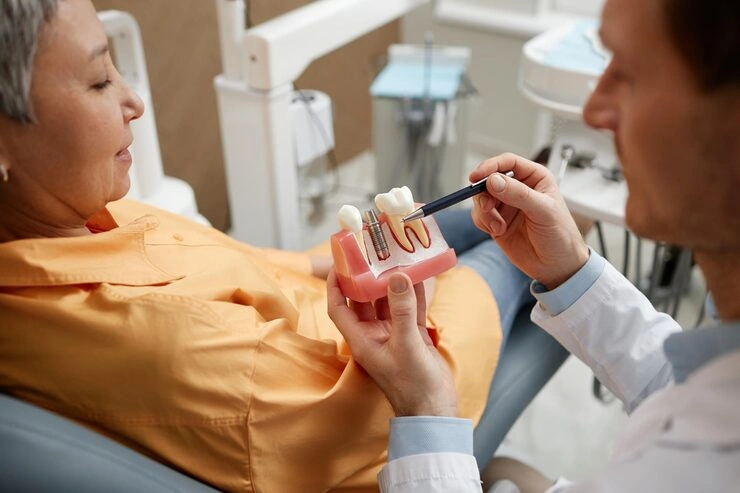
A bone graft involves placing bone material into an area of the jaw where volume has been lost. This material can come from various sources including processed bone from a tissue bank, synthetic bone substitutes, or in some cases your own bone from another area of the jaw. The graft material serves as a scaffold that encourages your own bone cells to grow into the area over the weeks and months following the procedure.
When Is a Bone Graft Needed?
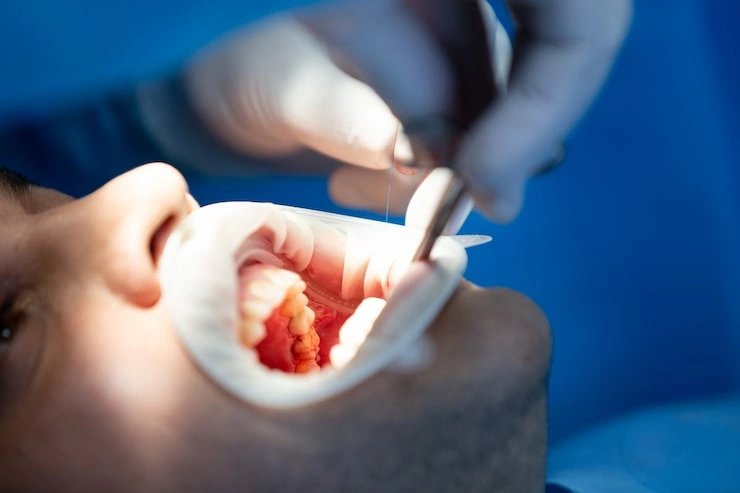
Before a dental implant in an area with insufficient bone volume. After a tooth extraction, to preserve the bone at the site before implant placement, known as a socket preservation graft. To address bone loss caused by advanced periodontal disease.
The Healing Process
Bone graft healing takes several months, during which the new bone integrates with your existing jaw structure. This is a necessary investment of time that ensures your implant has a solid, stable foundation when it is placed.
Why Thornhill Patients Trust Noble Dental Clinic
We do not rush appointments. We do not skip the conversation. When we find something, we explain it clearly, show you the evidence, and walk you through your options without pressure. Our goal is to be your long-term dental home, not just the place you go when something hurts.
Common Questions
Frequently Asked Questions
Is bone grafting painful?
The procedure is performed under local anesthetic. Post-operative discomfort is expected and is managed with medication. Most patients find recovery manageable and return to their normal routine within a few days, though the full biological integration of the graft takes several months.
How long do I have to wait before getting an implant after a bone graft?
Typically four to six months, though this varies depending on the extent of grafting performed and how well your body heals. We monitor the graft healing with follow-up appointments and X-rays before proceeding with implant placement.
Where does the graft material come from?
We commonly use processed allograft material derived from donated human bone tissue, which is carefully screened, processed, and sterilized. Synthetic bone substitutes are also used in many cases. We discuss the material options with you before your procedure.