Setting Your Child Up for a Lifetime of Healthy Smiles
Pediatric Dentistry in Thornhill
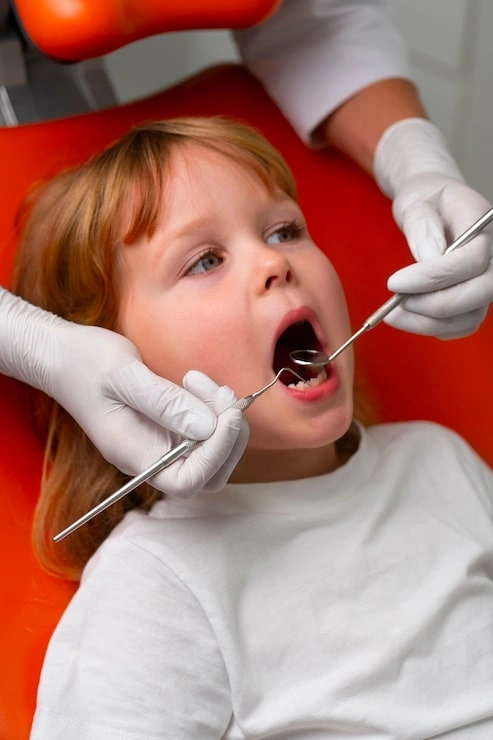
The experiences a child has at the dentist during their early years shape how they feel about oral health for the rest of their life. At Noble Dental Clinic in Thornhill, we are passionate about making every child’s dental visit a positive one. Our team is experienced in working with children of all ages and temperaments, and we create an environment that feels safe, welcoming, and even fun.
When Should My Child First Visit the Dentist?
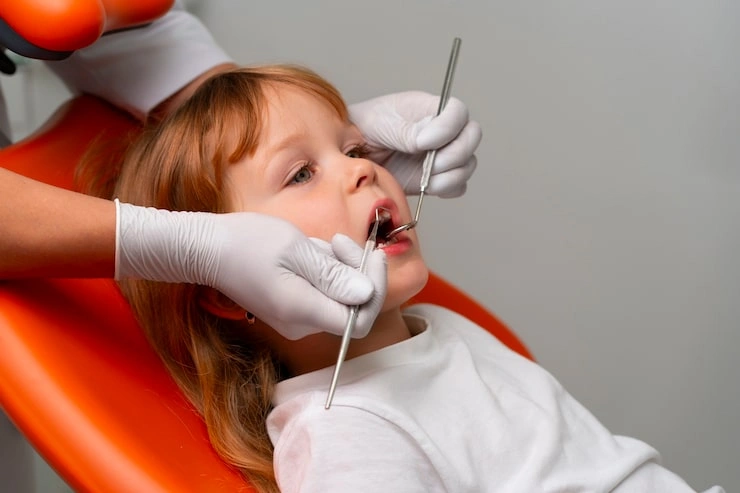
The Canadian Dental Association recommends that children have their first dental visit within six months of the appearance of their first tooth, or by their first birthday. Early visits are brief and designed to help your child get comfortable with the dental environment while giving us the opportunity to check for developmental concerns, discuss teething and oral hygiene, and answer any questions you have as a parent.
What We Offer for Young Patients
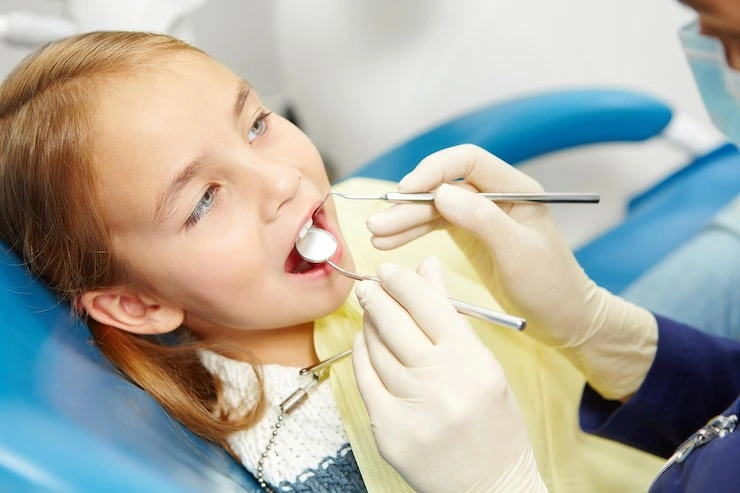
Comprehensive oral exams tailored to each age group. Professional cleanings appropriate for your child’s stage of development. Fluoride treatments to strengthen developing enamel. Dental sealants to protect the vulnerable grooves of back teeth. Early cavity detection and treatment with a gentle approach. Orthodontic assessment to identify developmental concerns. Oral health education for both children and parents. Management of dental anxiety with patience, explanation, and a calm environment.
Helping Children Who Are Nervous
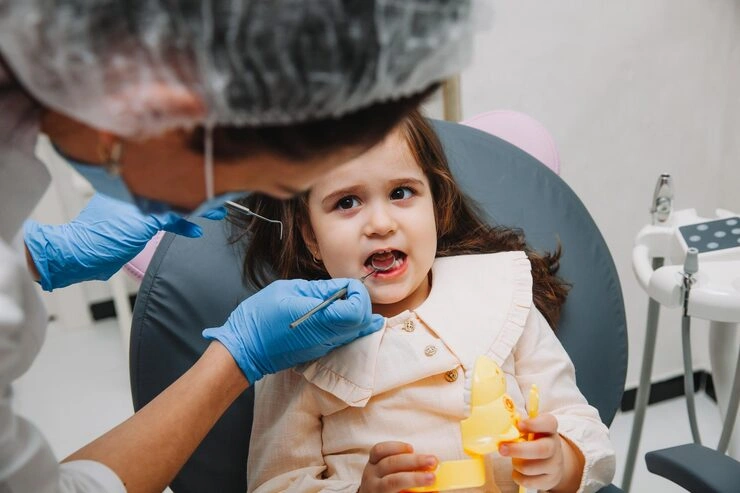
Dental anxiety is common in children, and we handle it with understanding and experience. We never rush a child who is fearful. We use simple, age-appropriate language to explain what we are doing before we do it. We take breaks when needed, celebrate the small wins, and build trust step by step. For children with significant anxiety or special needs, we discuss additional comfort options at the consultation.
Raising Cavity-Resistant Kids
We believe that education is one of the most powerful tools we have. At every visit, we take the time to teach children proper brushing and flossing technique in a way that is engaging and age-appropriate. We also discuss diet, habits, and other factors with parents so that you have everything you need to support your child’s oral health between visits.
Why Thornhill Patients Trust Noble Dental Clinic
We do not rush appointments. We do not skip the conversation. When we find something, we explain it clearly, show you the evidence, and walk you through your options without pressure. Our goal is to be your long-term dental home, not just the place you go when something hurts.
Common Questions
Frequently Asked Questions
Do baby teeth really matter if they are just going to fall out anyway?
Yes, they matter a great deal. Baby teeth hold space in the jaw for the permanent teeth developing beneath them. When a baby tooth is lost prematurely due to decay, the surrounding teeth can shift and crowd the space the permanent tooth needs. Baby teeth also play a critical role in speech development, proper chewing, and your child’s confidence and comfort.
How can I help my child not be afraid of the dentist?
Talk positively about the dentist at home and avoid using scary words or describing dental visits as something to worry about. Bring them for early low-stakes introductory visits before any treatment is needed. Let them ask questions. Choose a dental team that is experienced and patient with children. We do everything we can on our end to make the experience genuinely positive.
How often should my child visit the dentist?
Every six months is the standard recommendation. Children’s teeth develop quickly and change rapidly, making regular monitoring especially important. We may recommend more frequent visits if we identify a higher cavity risk or a developmental concern we want to track closely.
At what age should my child start using toothpaste with fluoride?
The Canadian Dental Association recommends that children start using a small smear of fluoride toothpaste as soon as the first tooth appears. A pea-sized amount is appropriate once children are old enough to spit reliably, usually around age 3.