The back teeth are the hardest working teeth in your mouth, and also the most vulnerable to cavities. Their chewing surfaces are covered in deep grooves and pits that trap food and bacteria, and that even the best toothbrushing technique cannot fully clean. Dental sealants solve that problem quickly, painlessly, and effectively.
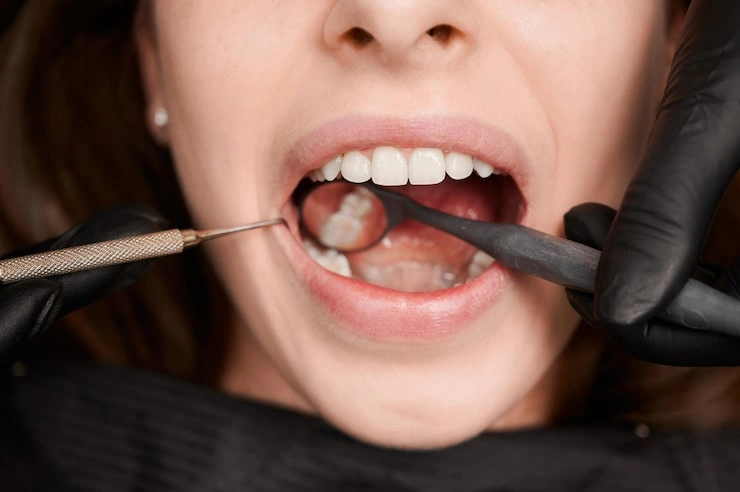
A dental sealant is a thin, tooth-colored protective coating applied directly to the chewing surfaces of the back teeth. It bonds into the grooves and creates a smooth, sealed surface that bacteria and food particles simply cannot penetrate. Once sealed, the tooth is protected from the inside out.
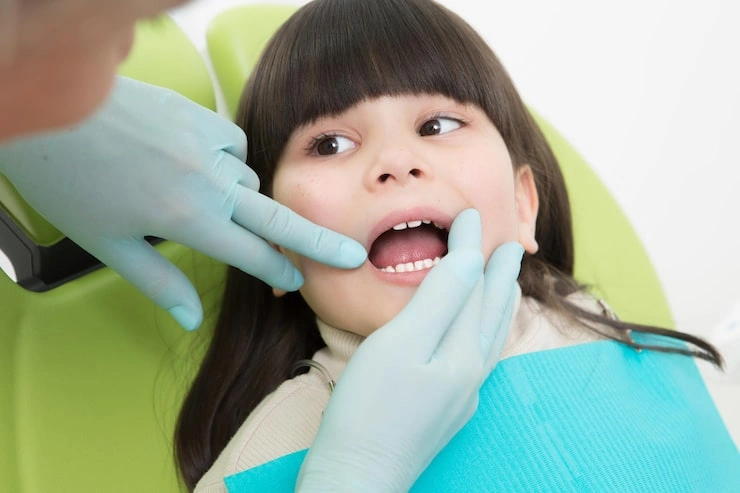
No needles. No drilling. No discomfort. The process takes only a few minutes per tooth. We clean and prepare the surface, paint on the sealant, and cure it with a quick light. Your child will barely notice it is happening.
We primarily recommend sealants for children and teenagers as soon as their first permanent molars come in, usually around age six, and again when the second molars appear around age 12. Early application provides protection during the years when cavity risk is highest. Adults who are cavity-prone or who have deep grooves in their back teeth can also benefit.
Research consistently shows that dental sealants reduce the risk of cavities in the back teeth by nearly 80 percent. Fewer cavities means fewer fillings, less time in the dental chair, and better long-term oral health outcomes for your child.
Yes. Dental sealants have been used safely in dentistry for over 40 years. The materials we use are BPA-free and are considered completely safe for children and adults. The Canadian Dental Association supports their use as an effective preventive measure.
Not at all. The procedure is entirely painless and requires no freezing or drilling. It is one of the easiest dental treatments available.
Sealants typically last five to ten years. We check them at every routine appointment and can reapply them if they show signs of wear or chipping.
Many insurance plans in Ontario cover sealants for children up to a certain age because they are cost-effective prevention. Coverage for adults varies. We can check your plan before your appointment.
A sealant protects the chewing surface, which is where the majority of cavities in back teeth develop. The sides of the teeth between the contacts are not covered by sealants, which is why regular brushing, flossing, and cleanings remain important.